How To Get Hiking and Backpacking Gear on a Budget
It's 2026, and hiking and backpacking gear is better than it's ever been. If you look back at how outdoor gear has developed over the years, items that were once heavy, bulky and sometimes even ugly is now lighter, much more technologically advanced and available in many beautiful colours. It can be very exciting but overwhelming to know what to look for.
We're also living in a time when overconsumption is rampant, and social media can push a narrative that you need to constantly be buying the latest and greatest of everything. Outdoor gear is no exception to this, and it's often easier to justify new gear purchases with the mentality that it will help us get outside more - something that is objectively good for us.
When I was first getting into the outdoors, I had no idea where to start and believed that buying items new was my only option. Now that I've worked in the outdoor industry for over a decade, I realize this is not only is this not true, but it's also not the smartest way to build out your kit. I wanted to offer some alternatives for how you can assemble your backpacking gear intentionally and without breaking the bank.
This post is for you if:
If you've got a few day hikes under your belt and are interested in doing overnight or multi-day hikes, and need to get the right gear to start
If you're conscious of overconsumption culture and want to be intentional with what you're buying
If you have specific pieces of gear in mind and want to try new ways of getting gear rather than buying new at full price

Start by thinking about your needs
Firstly, check out my Ultimate Backpacking Gear list for inspiration. It will give you a list of everything you'll need to bring for overnight trips to be safe and healthy in the backcountry.
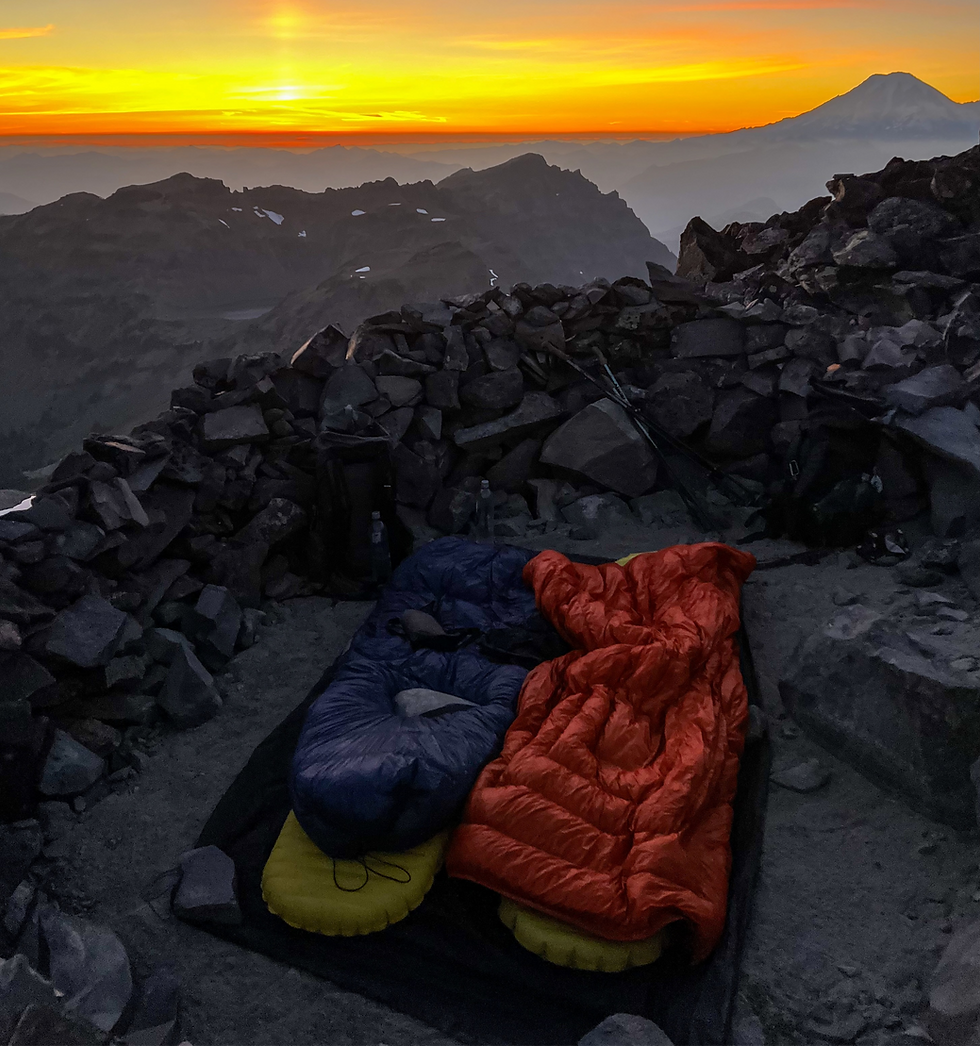
In my opinion, the most important pieces of gear are footwear, backpacks and sleep systems. Footwear should be sized well (not too big or too small), and comfortable over long distances in uneven terrain. For backpacks, trying it on to make sure that fits you well in the shoulders and hips is critical, and consider if it's the right size for all the gear you'll need to carry. A good sleep system (sleeping pad and sleeping bag) will make sure you're toasty warm overnight, setting you up for a comfortable and restorative nights sleep, which is critical for recovery.
Next, take a minute to think about your needs. It's easy to think "I'm going to go backpacking every weekend for the whole summer! I need the best and most expensive gear to get me where I want to go!", but if you're just starting out, this is definitely not true. Social media can push the idea that you need expensive gear to look good in the outdoors (#gorpcore anyone?), but how the gear functions for you is much more important than how it looks. Starting your gear collection on a budget is a great way to be conscious and intentional with what you buy, especially if you're unsure how often you'll get out on the trails.
Overall considerations when choosing gear:
Is it durable and going to last if I look after it? There is usually a lifespan to most outdoor products, especially if you use it frequently in rough terrain, but you should choose something well made that would get a few years of use with proper care. If you're buying something second hand, check for any holes or tears, particularly along seams and zippers.
Does it have the right properties for the terrain/climate that I'll be using it in? If you're going to be hiking in very wet climates, waterproof gear will be a lot more important than it would be if you're hiking in deserts. If you're hiking in hot and humid climates, you'll want more breathable clothing with sun protection. If you'll be hiking in more wild and less maintained trails, long pants with durable fabrics will protect your legs in overgrown areas.
How light/heavy is it? Is it something I can confidently carry on my back for the duration of my trips, including when I'm tired towards the end? Most gear will include the weight in the features or specifications section of an online product. You can look this information up even if you're buying gear second hand to help guide your gear decisions. Trying to keep your pack weight light is a good way to manage speed and fatigue while backpacking, as the heavier your pack, the quicker carrying it will tire you out - which can slow you down.

Borrow or Rent Gear
One of the best ways to try different gear is to try to borrow or rent gear from people who already own it. If you have friends that are already experienced backpackers, ask if you can borrow their gear to see if you like it, or if they have any old gear that they're not using that you can try.
If you don't have any friends with their own backpacking gear, there are lots of companies that rent gear. Renting is a great way to try backpacking and some of the most popular gear items before committing to purchasing. Search 'backpacking gear rentals' followed by your location or the location that you'll be doing your next backpacking trip in. A couple of outdoor gear companies that do rentals are Valhalla Pure Outfitters, We Rent Gear (Sea to Sky area) and Sports Junkies (Vancouver based).
Being able to try different gear in the environment you'll be using it is the best way to be sure that you're choosing the right items in the right sizes. This will give you a great starting point to figure out what you initially like and don't like about these gear items, and guide you in the right direction for assembling your own gear.
Second Hand or Used Items
Once you're ready to start buying your own items, a great place to start is by seeing what you can get second hand or used.
Here is a list of some of the places you can find used gear:
Facebook Marketplace/local Buy and Sell groups
Thrift and consignment stores - these can be incredible in mountain towns, as many people donate things that are very lightly used and in great condition
Garage sales - search for ones in your area
Craigslist
eBay
Gear Swap events
Many brands like Patagonia and Arc'teryx have expanded their businesses to include pre-owned gear that they have repaired and refreshed to sell at a discounted price.
REI (US based) has long had a used gear section in stores and online.
Geartrade.com (US based)
Poshmark
Ask your local gear stores if they have a used section

Sales and Outlet Stores
If you want or need to buy something new, timing your purchase so you can make the most of when items are on sale can save you a lot of money. Black Friday, Boxing Week, Spring or Fall sales can all bring significant discounts to expensive products. I was able to get more than $150 off my Garmin InReach Mini by waiting to buy it until Black Friday.
Outside of these sales, many brands (e.g. Arc'teryx) have an Outlet section of their website for past season gear that is new and has no issues, but is just in previous seasons colours. If you're not picky about colours or styles and just want something functional, this is another great way to save money.
Buying out of season is often when products are available at a discount - for example, buying camping gear in September at what is typically the end of the summer season is when many brands put their seasonal gear on sale as they don't want to carry the product over to the next year.
Just ask for a discount in store
If you've tried all of the above and still can't get the item you want on sale, try asking for a discount in store (especially if you spot any small defects) - the worst they can say is no!
Main takeaways
If there's anything for you to take away from this post, it's that you don't need to break the bank to get what you need - there are many different ways to get durable and functional gear on a budget. The right footwear, a backpack that fits you well, and a sleep system that will keep you warm are the most important places to start. You can build your kit up over time and make adjustments as you go, and remember - the best gear you can have in your toolkit is getting out on the trails and building up your experience.


Comments