The Ultimate Backpacking Gear List
Updated: Dec 18, 2025

Like many people in the outdoor industry, I love talking about gear. Having the right gear can make or break your experience in your outdoor pursuits, so doing some research on what you need and hearing what other people have in their backpacks can help guide you in the right direction.
For an overnight or multi-day backpacking trip, you need to take enough to be self-sufficient in the backcountry, but not too much that your pack is too heavy and uncomfortable to hike with. Here is my ultimate backpacking gear list, with examples included based on what's in my pack (or what I would buy if I was buying my gear today).

Big Three: Backpack, Tent and Sleep System
Backpack This is where you can add some sneaky weight without even realizing. Backpacks can vary from ultralight (around 500-700g), all the way to 8lbs (or more). Think about the size you'll need for the types of trips you'll be doing — most people typically go for between 40-60L packs. Try a few different types on, and decide which features are most important to you, but most importantly that it fits your body and can carry the weight well. I use: Durston Gear Kakwa 40
Also recommended: Osprey Eja 58
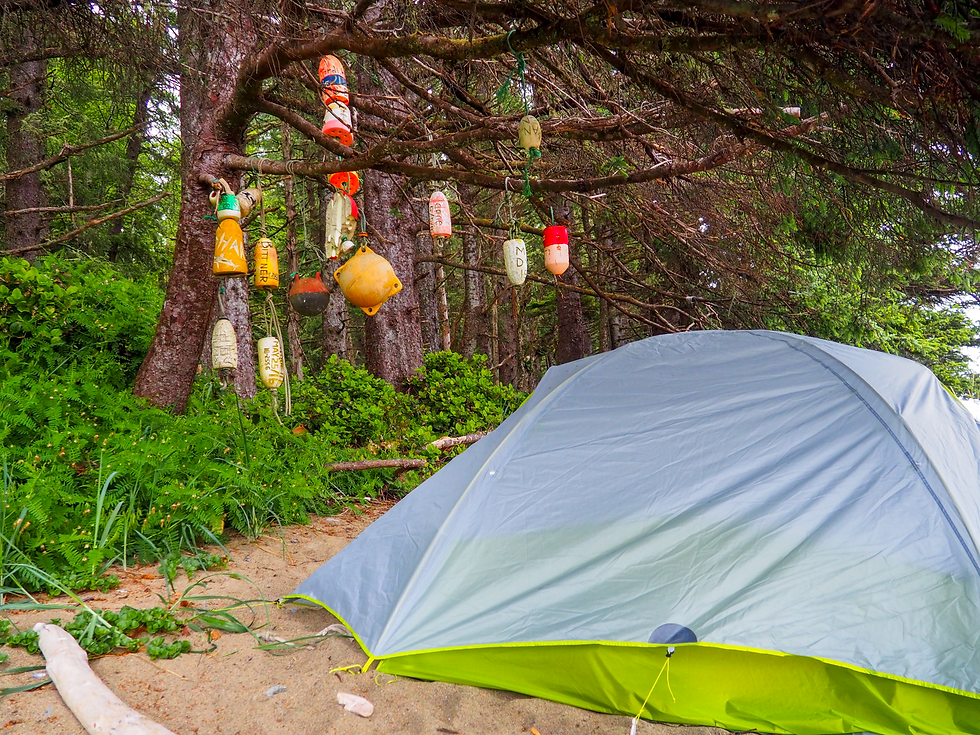
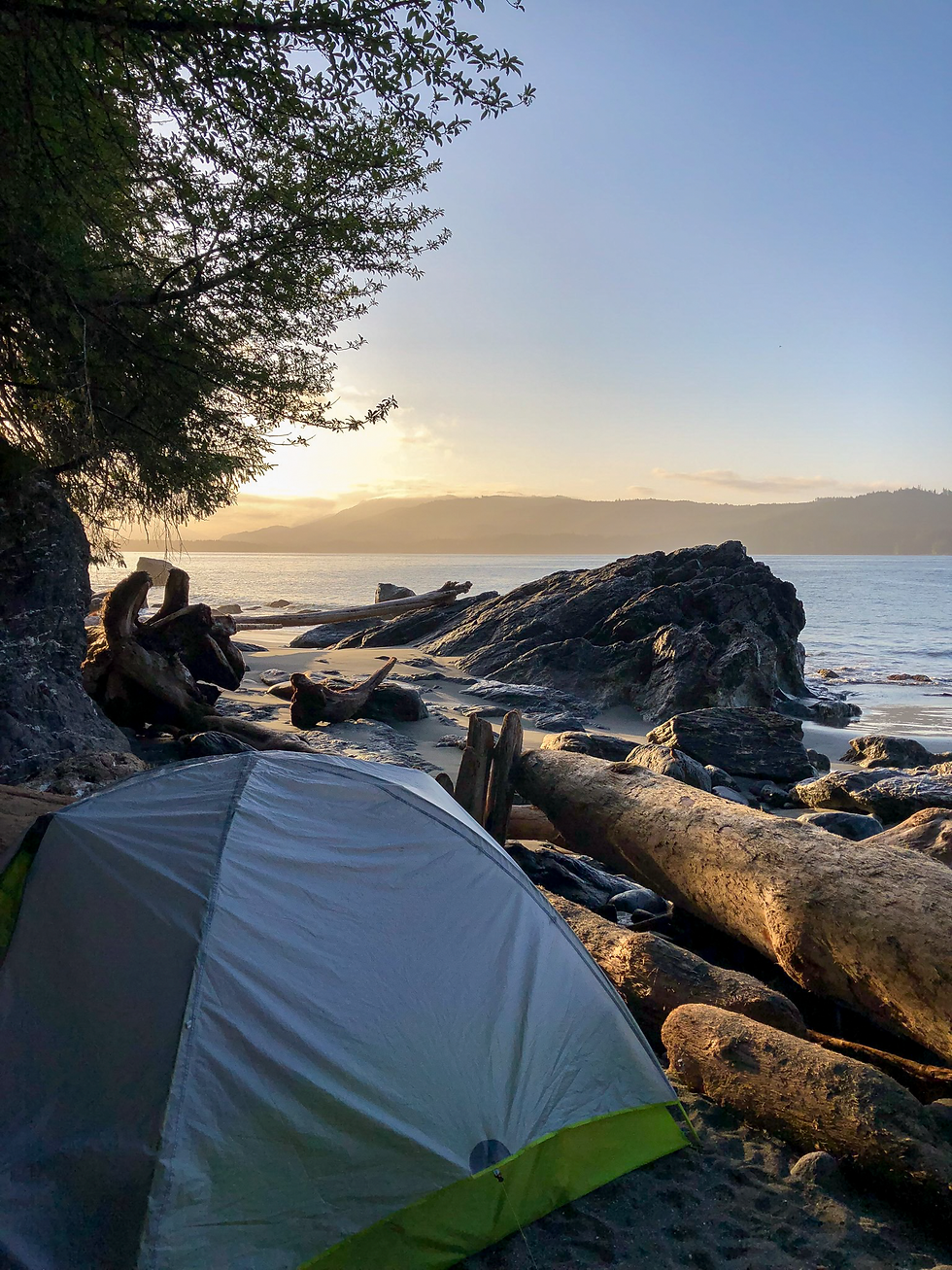
Tent Your tent can be freestanding (has tent poles to hold its shape), semi-freestanding (has some poles but uses either staking or hiking poles to finish the structure) or non-freestanding (uses trekking poles to be pitched). For the ultralighters, using a tarp is also an option, particularly if bugs aren't an issue where you're headed. There are pros and cons of all 3, but most beginners start with a freestanding tent as they're a bit easier to get used to. You'll also choose a size based on how many people will be sharing the tent - backcountry tents usually can be found in 1-4 person sizes.

Durston X-Mid at Wedgemont Lake I use: Durston Gear X-Mid 2 Also recommended: Nemo Dragonfly 2P
Sleep System This is technically two items, your sleeping bag and your sleeping pad. I cannot emphasize enough how important having a good quality and comfortable sleep system is. On multi-day backpacking trips or thru-hikes, your sleep is literally when you recover from all the miles you put your body through each day. If you're cold or uncomfortable and can't sleep, you're not going to get quality rest and will be tired and fatigued the next day. Sleeping bag or quilt: make sure it's rated to your expected overnight temperatures to keep you warm. Keep an eye on weight if possible, as a lighter sleeping bag with a good temperature rating is the best combination (although usually most costly). I use: Enlightened Equipment Revelation 10F/-12 degree quilt Also recommend: Rab Neutrino 600 -12 Down Sleeping Bag Sleeping pad: this adds insulation from the ground and greatly improves comfort, especially for side-sleepers. You can either get an inflatable pad or a roll out mat. Check the R-Value - the higher the R-value, the better insulation from the ground. I use: Nemo Tensor All Season
Pillow (optional)
Many people choose to use their clothes bag, but I prefer to have a dedicated pillow. Again, I don't mess with my sleep on trail! I use: Nemo Fillo Elite
Kitchen/Cooking System
Stove A small backpacking stove with a pot will be all you need to have hot food or drinks on your trip. I mostly use mine to boil water for drinks and dehydrated meals, but you can also reheat packaged food. Make sure you also get the right fuel type for your stove. I use: MSR Pocket Rocket 2

Pot If your stove doesn't come with a pot, you can buy one separately. Think about sizing based on how many people will be needing it. I love this one as it comes it multiple sizes, is lightweight and can be used to cook in directly, and I also use it as my coffee mug. I use: TOAKS titanium pot Also recommended: MSR Trail Mini
Spoon/fork/spork
You'll need one of the three, and it's personal preference. I use a spoon for pretty much everything I eat on trail, including ramen. I use: Titanium Long Spoon
Water Filter
You never know what's in the water when you're in the backcountry, even if it looks pristine. A water filter will allow you to clean your water before you drink it to avoid bacteria and other nasties that could be in there. No water filter is 100% effective, but filtering is your best shot at staying healthy. I use: Platypus Quickdraw Filter
Lighter
Always good to have even if your stove has a built in spark - these can fail pretty easily, so a backup lighting method is key. I use: Bic Mini Lighter from any gas station
Scraper The best and most Leave No Trace way to clean up your pot is to add some water once you've finished your meal, scrape all remaining food from around the pot, and then drink it. I know it sounds gross, but it tastes better than it sounds, and it's better than dumping any grey water in sensitive areas. I use: GSI Compact Scraper
Food
I'll do a whole separate post about this, but make sure you have enough meals and snacks for every day of your trip, plus a bit of a buffer in case it takes longer than anticipated, or you're hungrier than you expect. Electrolytes are also key, especially if you'll be hiking in hot weather.

Hygiene Kit
Toothbrush & Toothpaste
Bring a travel-size toothbrush and toothpaste to reduce added weight. I usually just take the freebies the dentist gives out at appointments.
Biodegradable Soap Choose unscented, biodegradable eco-friendly soap for dishes and hand/body cleaning. Use sparingly and use water away from lakes and streams to protect fragile ecosystems. I use: Sea to Summit Wilderness Wash
Hand Sanitizer I keep this easy access for using after outhouses or whenever I feel like I need it.
Trowel, Toilet Paper and Extra Ziploc Bag
Even on backpacking trips where there are outhouses regularly, it's a good idea to pack a lightweight trowel in case you get caught off guard between infrastructure. This allows you to dig a proper 6-8 inch cathole for Leave No Trace compliance. Do not bury (or even worse, burn) your toilet paper if you need to go outside of an outhouse, pack it out and take it with you. I use: The Tent Lab Deuce #2 Trowel
Kula Cloth
For the ladies, this is an anti-microbial pee cloth to use instead of toilet paper (only for #1s). I use: Kula Cloth
Wet Wipes Optional, but can be nice to keep you feeling refreshed and less grimy on longer trips. Again, make sure you pack out any wipes you use.
Bandana I like having a bandana as a super light way to help clean up or dry off if you go for a dip, without needing to pack a full backpacking towel. You can hang it off your pack while you're hiking to dry it. I use a cheap one I got in a gift store.
Sunscreen
Don't forget to wear sunscreen kids!
Clothing
This is vary based on where you're going, what time of year, what the weather forecast suggests you'll need, and personal preferences.
Hiking outfit - shirt, shorts or pants I like wearing a sun hoodie for UPF protection for my arms, and shorts because my legs get hot. Depending on the weather forecast I may also bring hiking pants. I use:
Shirt: Outdoor Research Echo Hoody Shorts: Arc'teryx Gamma 5" Utility Short
Pants: Arc'teryx Gamma LT Pants
Warm layer(s) - fleece, lightweight puffy jacket A fleece can be nice around camp or to hike in early morning before the sun comes up. A puffy jacket can either be down or synthetic. Down has the benefit of usually being lighter and more packable, but you also need to make sure you keep it dry as it loses it's insulating properties if it gets wet. Fleece: Mountain Hardwear Summit Grid Fleece Puffy jacket: Arc'teryx Cerium Hoody
Rain jacket (and pants if weather indicates need)
I always bring a rain jacket no matter what in case the weather forecast changes - it can also be used as a wind layer or as protection from mosquitoes. I use: Arc'teryx Beta SL Jacket
Socks
I am prone to blisters, so I'm a big, big fan of the Injinji toe socks to hike in. I'll also bring a pair of normal socks to sleep in or to have as an emergency pair. For 4+ day trips, I'll bring 2 hiking socks and wash and alternate wear daily, and one pair of camp/sleep socks. Hiking socks: Injinji Trail Midweight Mini Crew Socks Sleep socks: Darn Tough Hiker Cushion Crew Socks
Sleepwear
I'll usually wear a thermal shirt and leggings at night as it keeps me warm, and can be used as emergency warm layers if needed. Thermal leggings: Smartwool Classic Thermal Merino Base Layer Bottom
Thermal top: Smartwool Classic Thermal Merino Base Layer Crew
Underwear
Merino wool underwear is sweat-wicking and dries a lot more quickly than other materials. Underwear: Icebreaker Siren Hipkini Briefs Bra: Mons Royale Sierra Sports Bra
Hat(s)
Sunhat for hiking in, toque/beanie for camp if it looks like it'll get cold enough.
Sunglasses Personal preference - something with good eye protection, not so expensive in case they get damaged or lost.
Gloves (if needed)
Buff (if needed)
Electronics
Battery pack and chargers I bring this even on hikes that are just one night. Being able to ensure my phone stays charged for navigation and communication (if there's service) gives me peace of mind. I use: Nitecore GEN3 NB10000 mAh Power Bank Battery Charger
Headlamp (fully charged or bring extra batteries) This is considered safety equipment IMO. Having a headlamp is so useful if you're walking around at night to the outhouse or putting your food in bear bins, but it's also incredibly helpful in emergencies. I use: Nitecore NU25 MCT UL 400 Lumens Ultralight Rechargeable Headlamp
Satellite Communication Device And make sure you have the appropriate subscription otherwise it won't work! This is absolutely key for longer trips especially to get up to date weather reports, navigation, communication with someone off-trail for wildfire or weather information, or if you need to get rescued (or call a rescue for someone else). I use: Garmin InReach Mini 2
Camera and lenses (optional) Phone camera's are excellent these days, but cameras are nice for high-res images of the stunning areas you'll be hiking through.
I use: Sony a6700
Headphones (optional)
I mostly use my headphones on thru-hikes when there are long hiking days and sometimes need to distract myself, or if I'm on a chill backpacking trip with plenty of time at camp in case I want to listen to an audiobook or podcast.
Miscellaneous
First Aid Kit At a minimum, you should have band aids, blister care, alcohol wipes, antibiotic ointment, pain killers and anti-diarrhoea medication - but first aid kits can be as comprehensive as you want. Tweezers can also be helpful in many situations such as ticks or splinters, and having some gauze or tensor bandages can also be very useful.
Gear Repair Kit
I usually bring a patch kit for my sleeping pad in case of any punctures, and some gear aid tape for anything that may need it.
Knife/Multitool
To be honest I mostly use mine to cut slices of cheese, but they're very useful in the right circumstances. Recommended: Leatherman Micra
Ear Plugs and Eye Mask
Remember how good sleep is one of the most important parts of thriving while backpacking? Having ear plugs brings you peace if you have some noisy neighbours past your bedtime or early in the morning, and an eye mask keeps you snoozing even in the peak of summer when there's 16+ hours a day of daylight.
Entertainment
A book, e-book, journal, podcasts, audiobooks, music, cards to play card games - anything you want to entertain yourself if you have extended time at camp.
The exciting thing about backpacking gear is it evolves and changes over time. I think back to some of the things I took on my early backpacking trips that I would never pack now. There's also differences in gear choices depending on how long the trip is - it sounds counter intuitive, but the longer the trip, the less gear I'll bring as I'll need to make space for more food.
I'd love to hear about your favourite backpacking gear items, or if there's anything I missed that you can't hike without!

Comments